What is One Effective Way Organizations Can Reduce the Risk of Insider Threats Without Disrupting Productivity
Keywords:
- Insider Threat Mitigation,
- Behavioral Analytics,
- Ethical Workplace Culture,
- Continuous Monitoring,
- Remote Access Policy
Abstract
Insider threats pose significant risks to organizations, potentially compromising sensitive information, disrupting operations and damaging reputations. Addressing these threats while maintaining productivity is a notable challenge for many businesses. Effective strategies for mitigating insider risks encompass proactive measures, continuous monitoring and fostering an ethical workplace culture. By integrating training programs, behavior analytics and transparent communication organizations can create an environment that discourages unethical conduct while simultaneously enhancing operational efficiency.
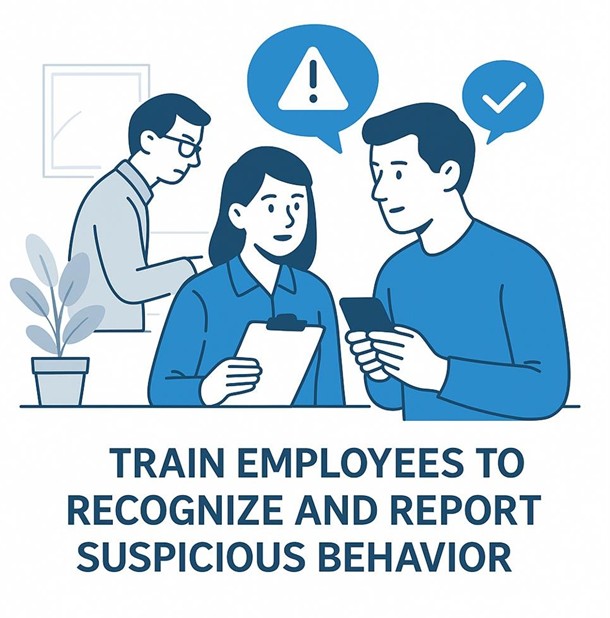
A crucial aspect of mitigating insider threats involves thorough employee onboarding and regular ethics training, which help to instill a strong understanding of organizational policies and the ramifications of insider actions [1,2]. Establishing behavioral baselines through periodic risk assessments allows organizations to quickly identify deviations indicative of potential insider threats. Moreover, implementing strict remote access policies ensures that sensitive information is safeguarded against unauthorized access, particularly in an increasingly remote work environment [3].
Continuous monitoring, including behavior analytics, serves as a pivotal tool in detecting unusual activities that may signal insider threats. By capturing and analyzing data on file access and transfers organizations can proactively address suspicious behaviors before they escalate into significant security breaches [3,4]. The balance between necessary monitoring and employee trust is crucial; clear communication about monitoring practices fosters a positive work environment, aligning security objectives with productivity goals [5].
Ultimately, adopting a holistic approach to insider threat mitigation can empower employees as active participants in their organization's security posture. By emphasizing training, ethical conduct and transparent communication organizations can effectively reduce the risk of insider threats while ensuring a productive workplace, thus reinforcing both security and trust within the workforce [6,7].
Downloads